
As most patients of our clinic know, the one dietary recommendation that always comes up from our practitioners is congee. Congee is a form of rice porridge which is present in almost every Asian country and every family has their own recipe. These recipes can be simplistic and nourishing (as the one I will share with you) all the way to extravagant and luxurious (check out seafood congee).
The reason I decided to create this post is that the sheer variety and range of congee makes it difficult to provide patients with reliable recipe so I figured why not share my family version with you?
Please keep in mind I am in no way a chef nor do I have the range of knowledge to speak of ingredient substitution nor even proper measurements. Everything is done by eye as my amazing mother taught me.
So in the immortal words of Iron Chef Chairman Kaga: Allez Cuisine!
Step 1: Gather half a bowl of jasmine rice, this will yield enough for 3 -4 bowls of congee.
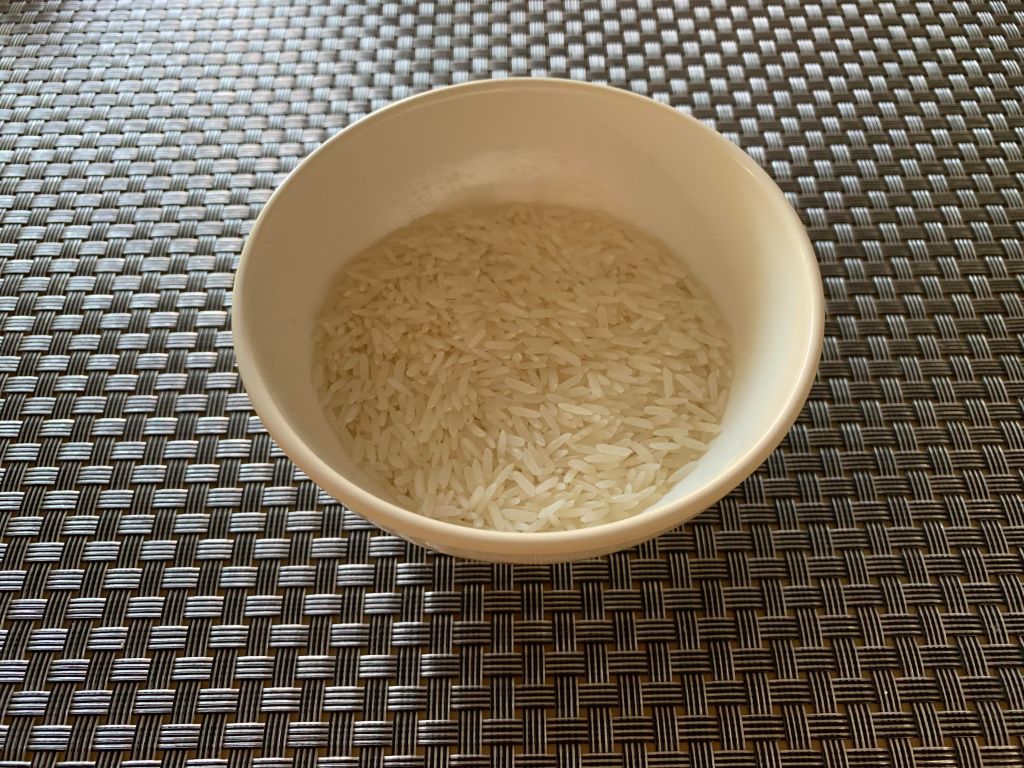
Step 2: Add rice to a pot of your choosing, I used a small to medium one but a larger one can be easier for beginners.
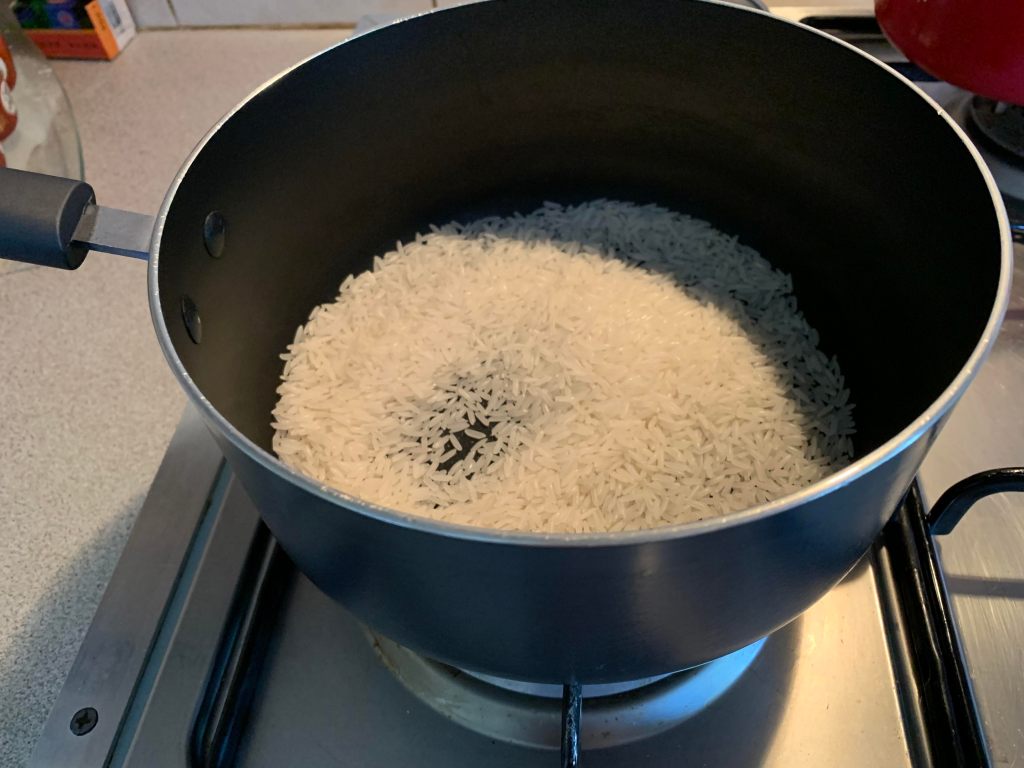
Step 3: Wash the rice three times (add water, massage the rice in the water, empty water from the pot but keep the rice). Fill the pot up a fourth time and have the water between 1-2cm above the top of the rice; this will vary depending on your pot size but do not stress as more water can be added later if needed.
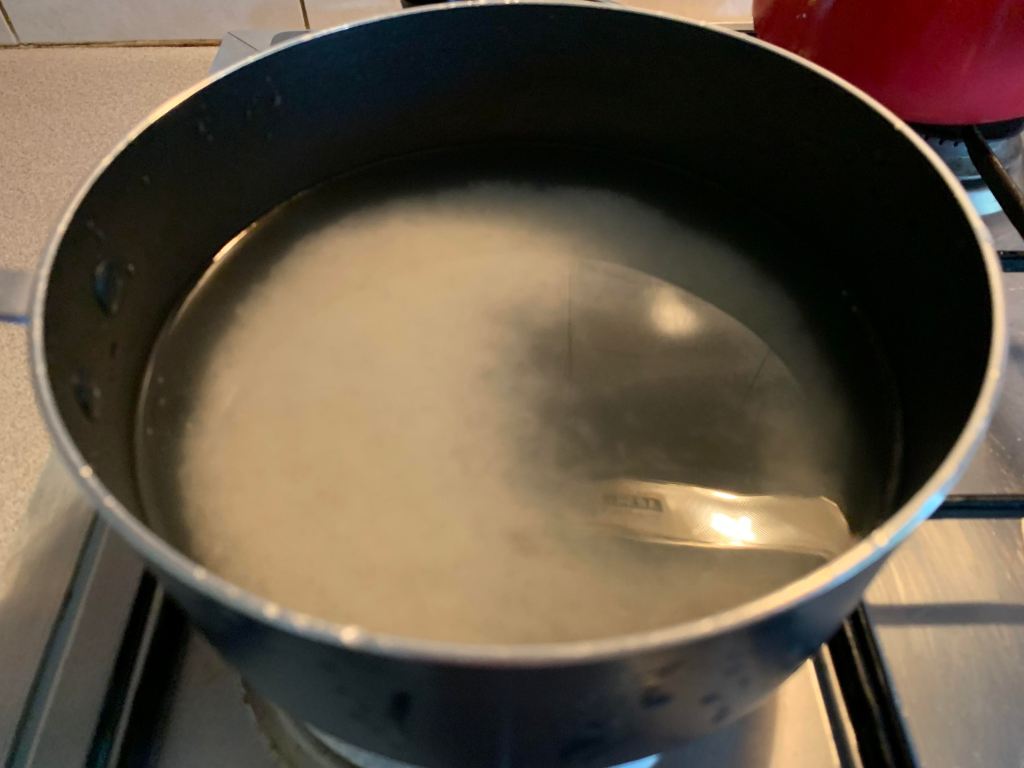
Step 4: Bring to boil (cover the pot if you want to save time; remove lid once boiling) and add a quarter teaspoon of high quality salt, I use pink Himalayan rock salt but any quality salt works. Turn to a low or medium heat then skim off any excess that rises to the top, this will likely need to be done about three times. Allow everything to simmer uncovered for 15-20 minutes and if you notice the water is receding too much (you see more rice than water) then add boiling water until the rice is covered again – please note it MUST be boiling water at this point.
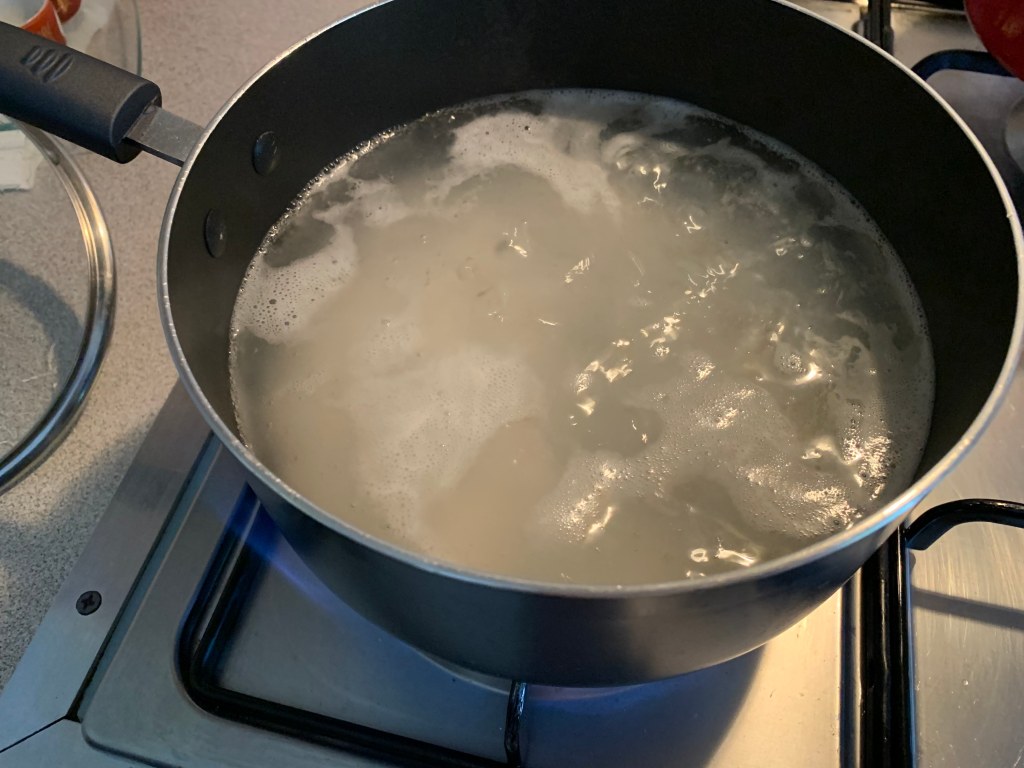
Step 5: Cooking time is a minimum 15 minutes but if you can leave it on a low heat for about 30 minutes then the rice will break further apart for better effect. End product should have a thin layer of gruel (cooked rice water) on top.
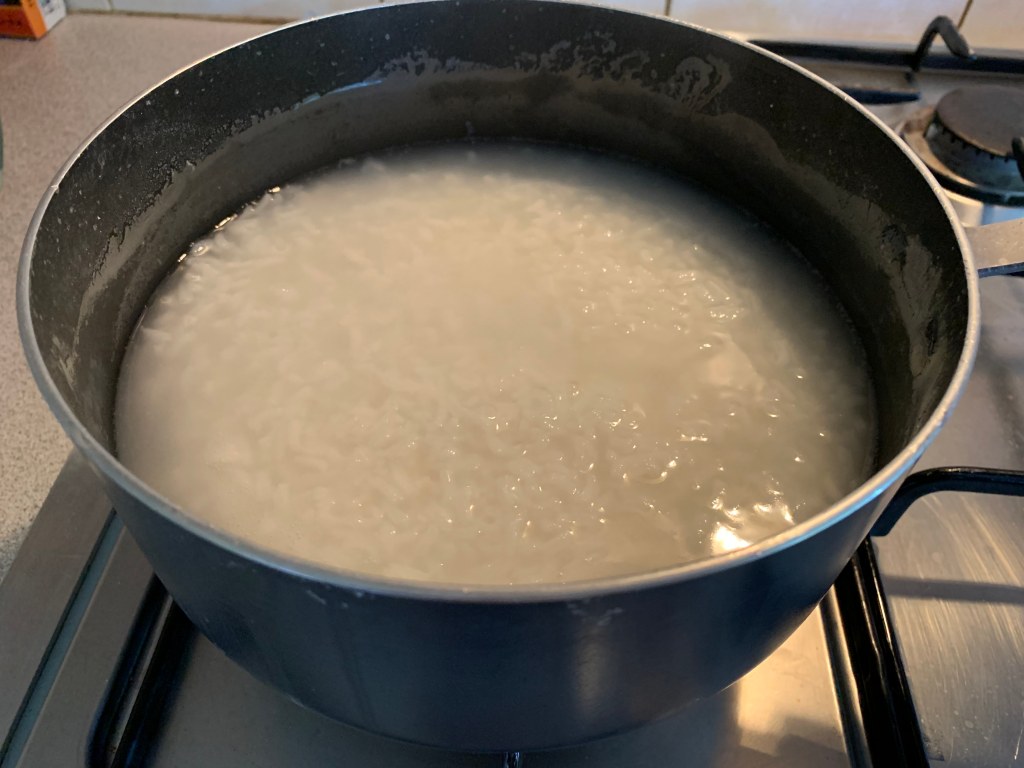
Step 6: Serve the congee! As mentioned there are endless possibilities for ingredients but the image is how I prefer my congee – the greens of the spring onion. Flavor will be bland (that is the purpose and part of the therapeutic benefit) so feel free to add some soy sauce and also some white pepper if you enjoy a bit of a kick.
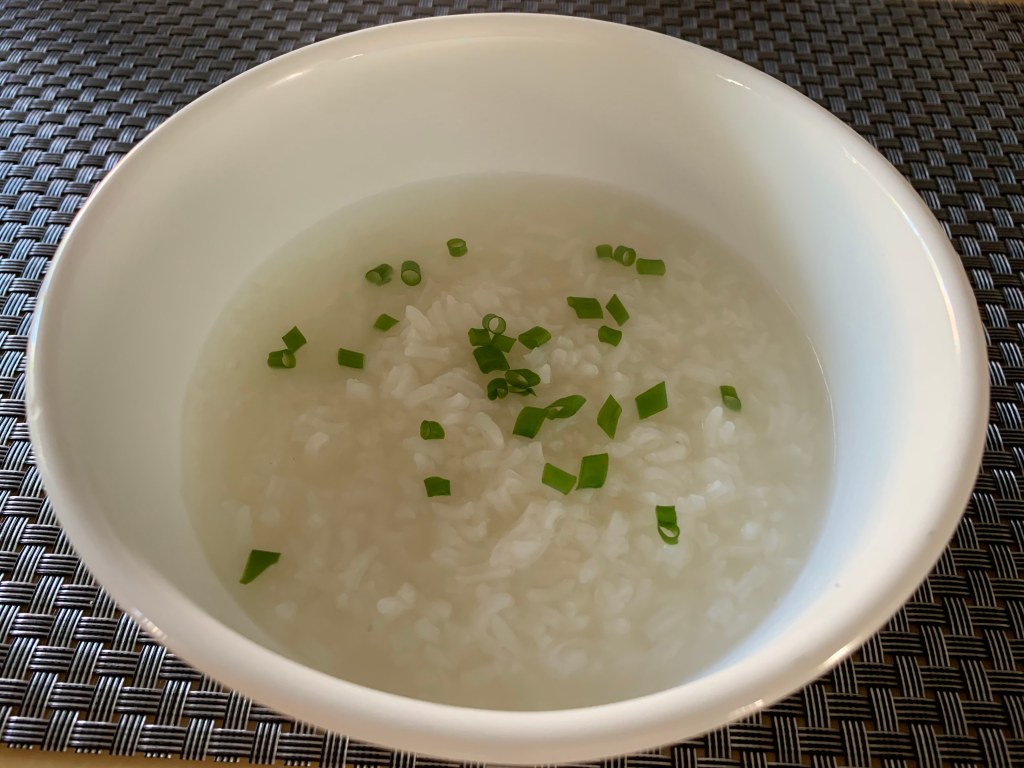
And there we have it, my family recipe for congee. It is something that is best eaten at breakfast but if you have digestive issues then having it three times a day is perfectly fine. Congee has always been easy on the stomach and a natural food for recovery.
Any left overs should be allowed to cool and placed in an air tight container in the fridge for up to three days. Place them in serving sized air tight containers and reheat them in the microwave for a quick and easy meal.
Give it a try and find your own unique variations; happy cooking.


2 thoughts on “Foundations of Nourishment: Congee”